LTL vs FTL: Which Freight Option Is Right for You?
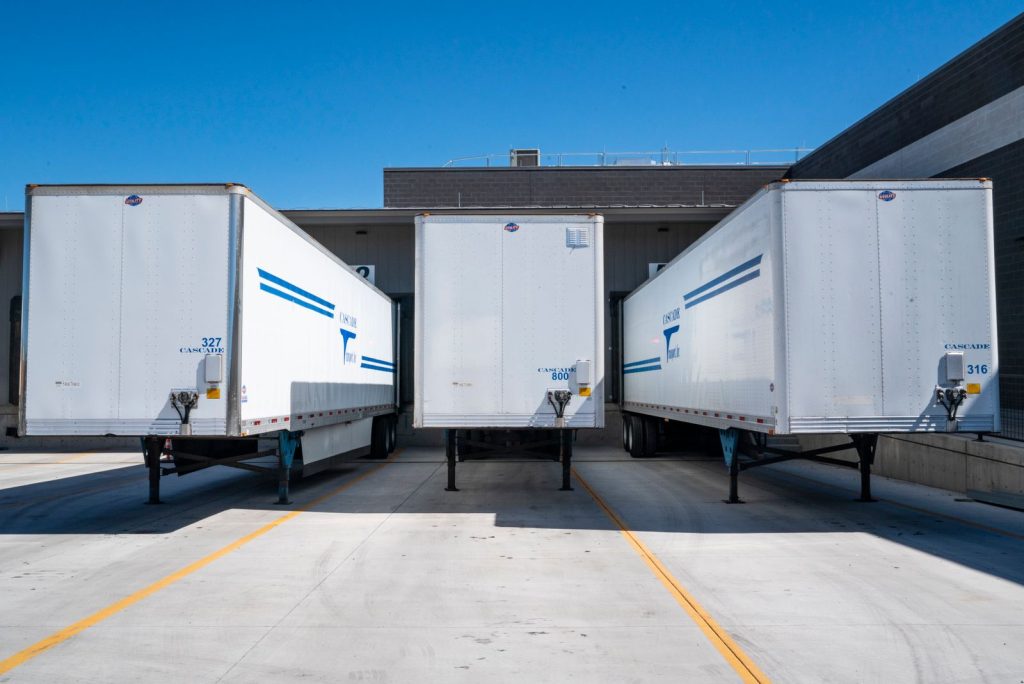
Two acronyms dominate road freight quotes: LTL (less-than-truckload) and FTL (full truckload). Choosing the right one is the single biggest lever on your shipping price, so here’s a plain-English guide.
LTL: pay for the space you use
With less-than-truckload freight, your pallets share a trailer with other customers’ goods. You pay for the space and weight you occupy — typically the right call for one to six pallets. The trade-offs: slightly longer transit times (the truck makes multiple stops) and more handling, since goods may cross a depot.
FTL: the whole trailer is yours
Full truckload means the vehicle carries only your consignment, door to door. It wins on speed and on handling risk — loaded once, unloaded once. If you’re moving more than ten pallets, high-value goods, or anything time-critical, FTL usually works out cheaper per pallet than stacking up LTL rates.
The grey zone: 6–10 pallets
This is where a reverse auction genuinely shines. Post the job with accurate dimensions and let carriers compete: a haulier with a part-empty trailer already running your route can offer a “backload” price that beats any published tariff — often by 30–40%.
Rule of thumb
Under 6 pallets: quote it LTL. Over 10: FTL. In between: post it on the marketplace and let the market decide.